Body & social expectation
Exploring the languages and images through which femininity is learned, resisted and reimagined.
An artistic practice that questions identities imposed upon women and creates a space where women can reconstruct their own.
From an early age, women are taught how to behave, how to appear, what to desire, and what parts of themselves should remain hidden.
These expectations can become so deeply internalised that it becomes difficult to distinguish between who we are and who we have been taught to be. Yoni Garden does not search for a single “authentic self.” It sees identity as something continuously constructed through memory, the body, personal experience, language, cultural traditions and the society in which we live.
The female genitalia has often been hidden, tabooed, medicalised, or represented through the gaze of desire. Yoni Garden shifts that gaze.
Rather than approaching the yoni primarily as a sexual object, the project considers it as a symbolic site of identity, memory, vulnerability, pleasure, cultural inheritance and lived experience. The anatomical form becomes a starting structure for a symbolic portrait.
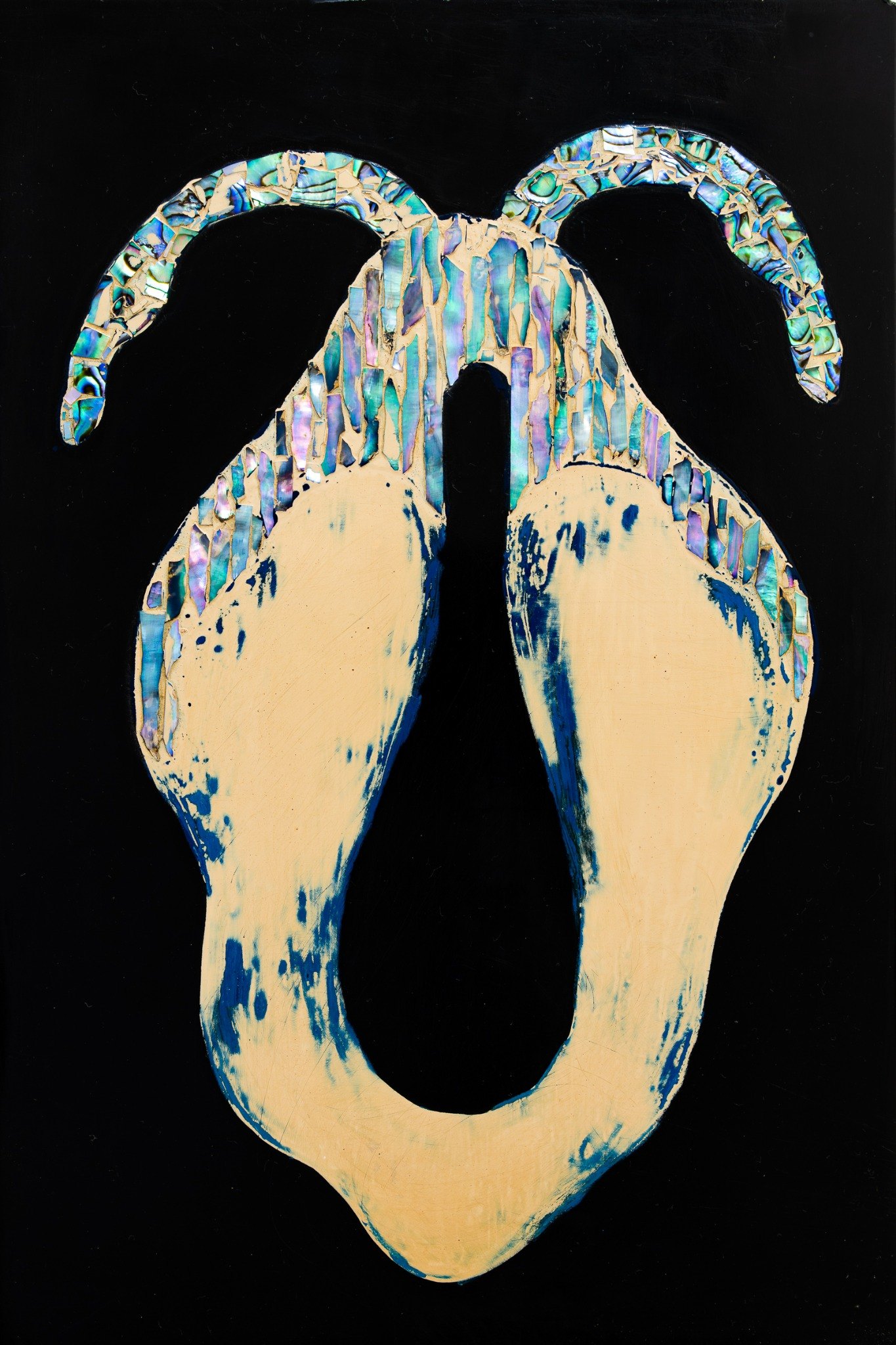
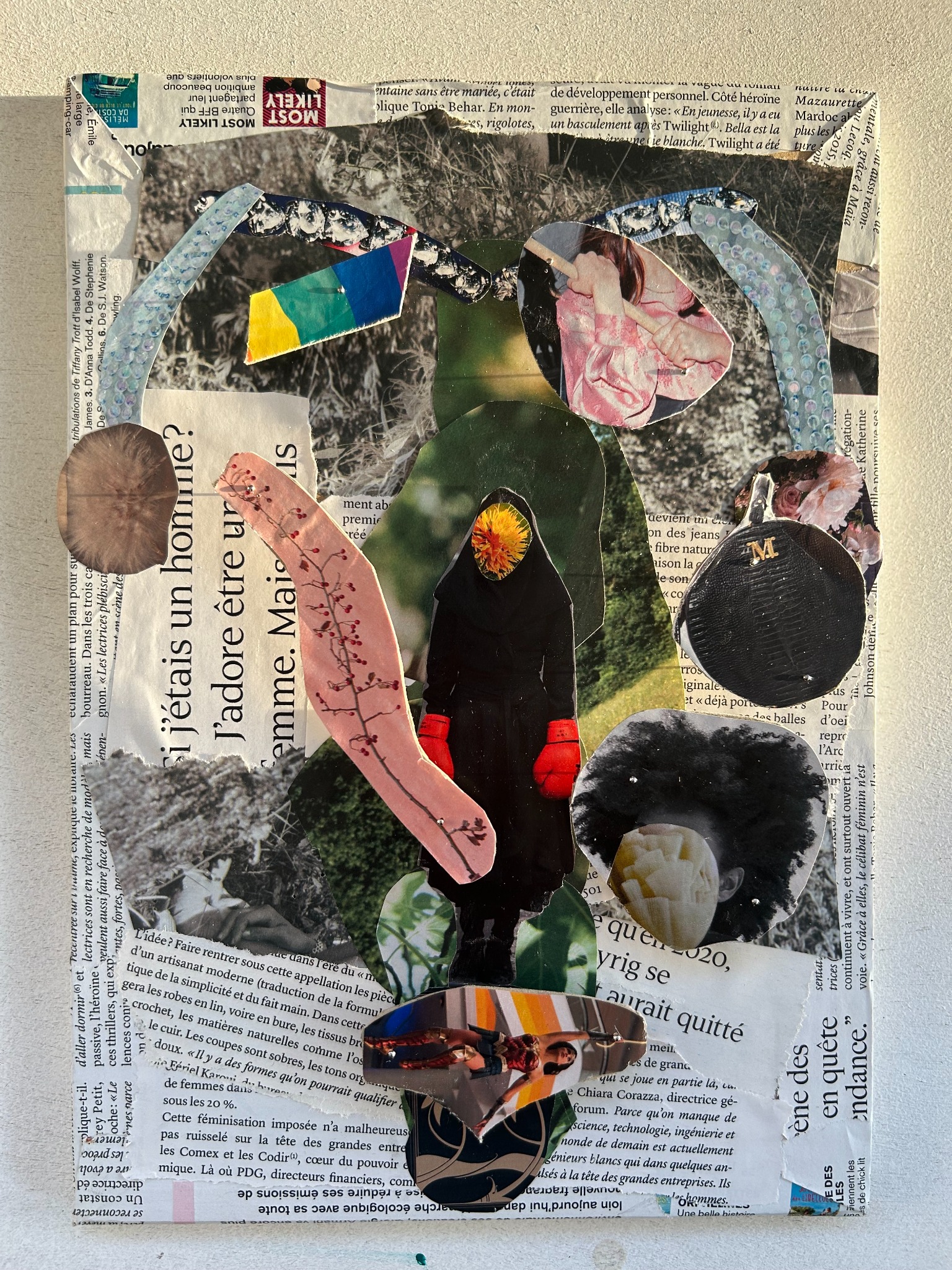
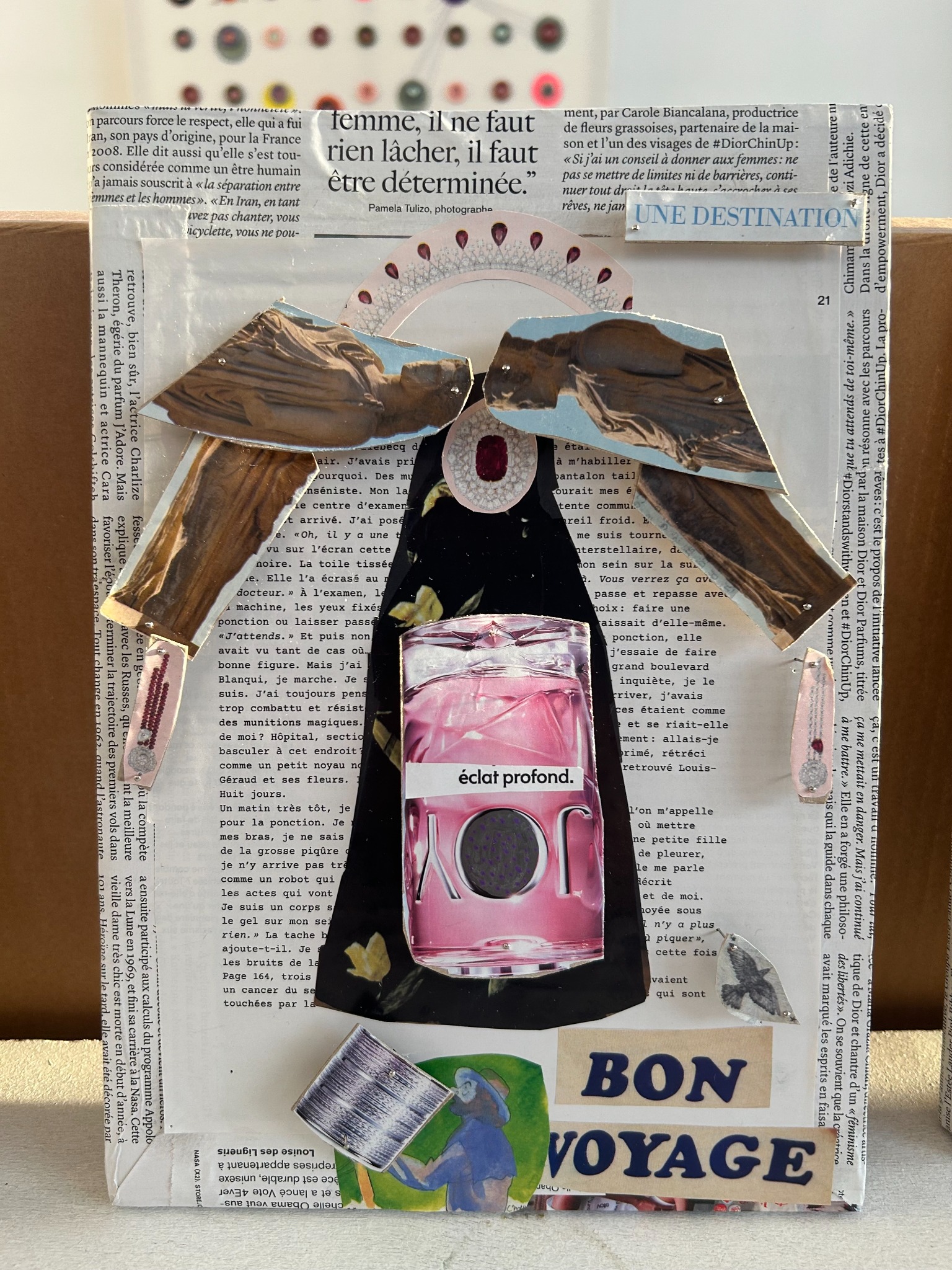
Participants construct Yoni Avatars using images, words, patterns, memories and materials that resonate with their lives.
The avatar may contain family memory, desire, fear, cultural symbols, landscape, language, social expectations or imagined versions of the self. Its anatomy remains visible, yet from a distance the form can also evoke the presence of a whole woman. It is neither an illustration of anatomy nor a definition of femininity.
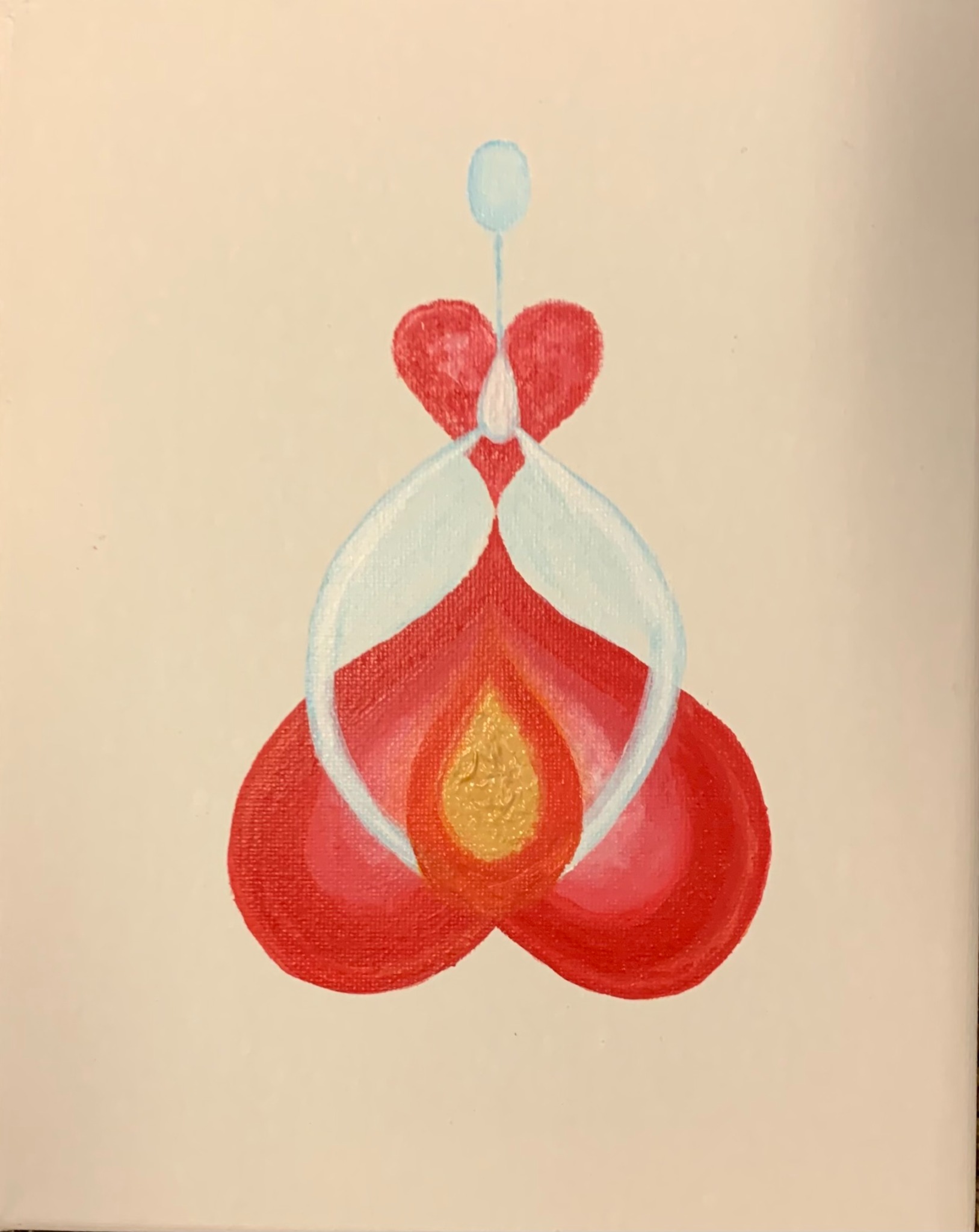
Yoni Garden does not reproduce the same workshop everywhere.
Before each project, the place itself becomes part of the research. Local publications, women’s histories, academic research, traditional craft, oral narratives, textiles, visual symbols and everyday materials may become entry points. The intention is not to reproduce local culture as decoration, but to understand how culture participates in the construction of individual identity.
Exploring the languages and images through which femininity is learned, resisted and reimagined.
Drawing the body directly and addressing fear, shame and bodily taboo.
Deconstructing imposed femininity through magazine fragments and reconstructed self-image.
Developing research through local publications, women’s studies, cultural imagery and personal memory.
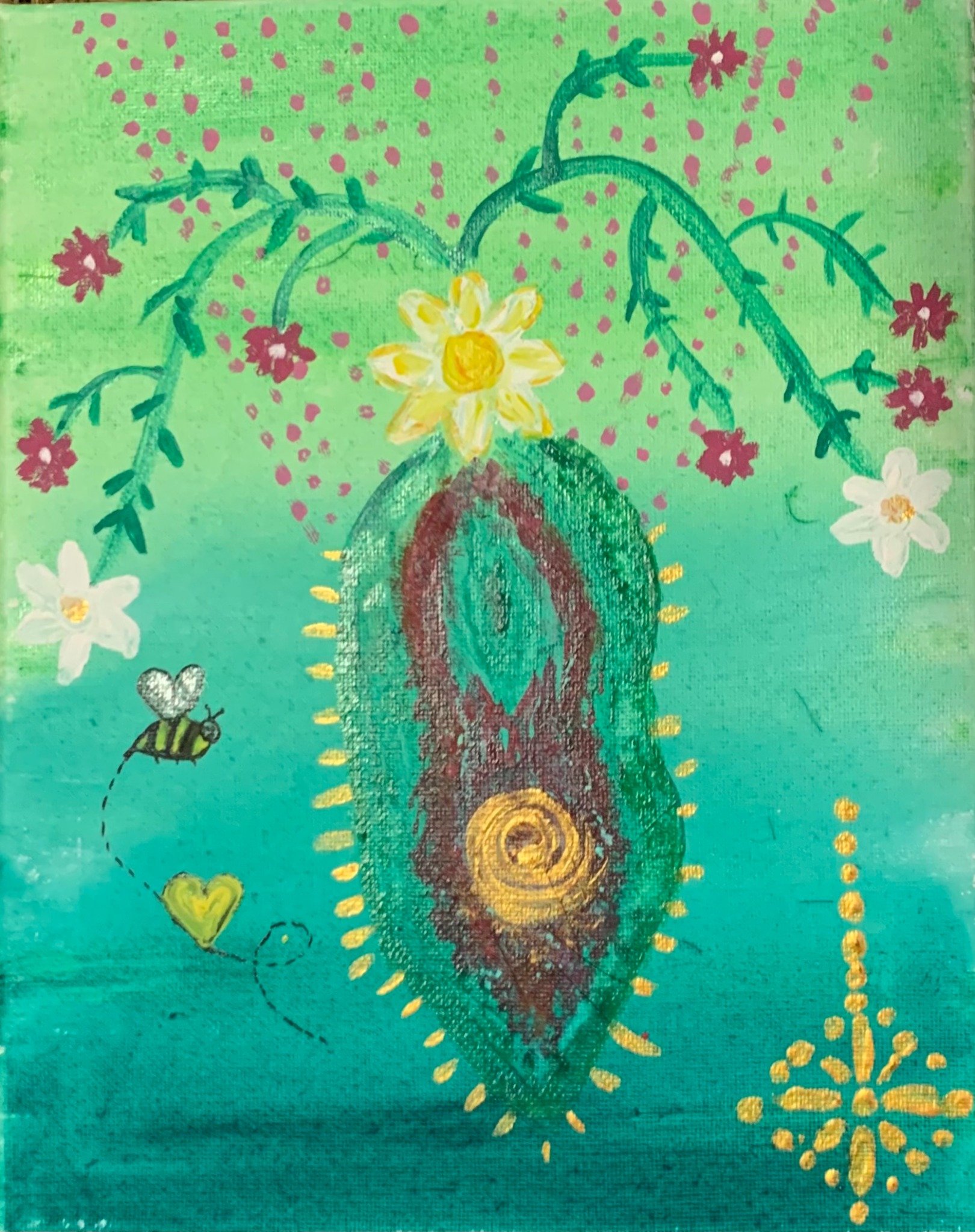
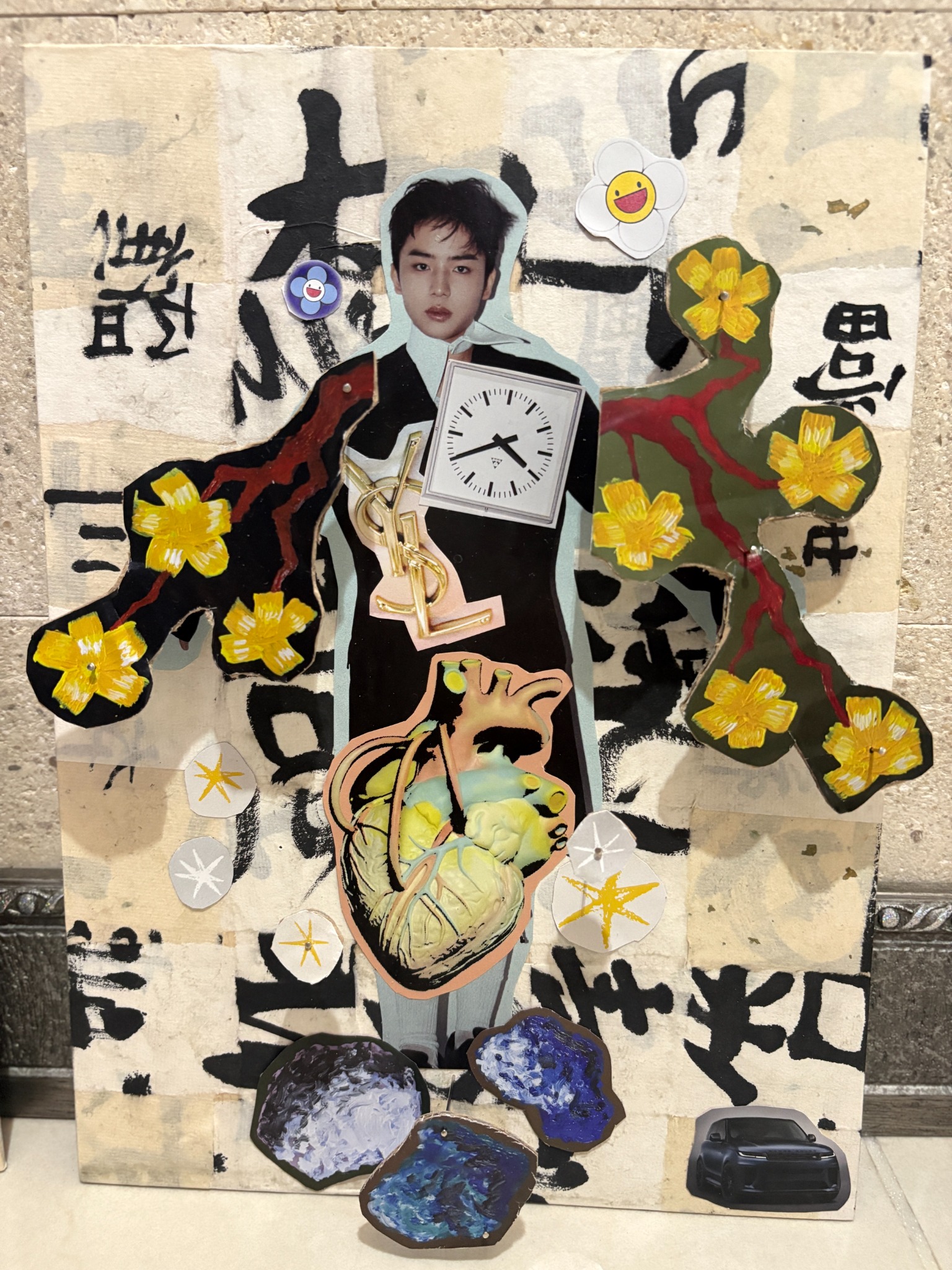
Projects can develop as workshops, residencies, exhibitions, publications, research projects or community archives.